Easy exercises for mobility as you age
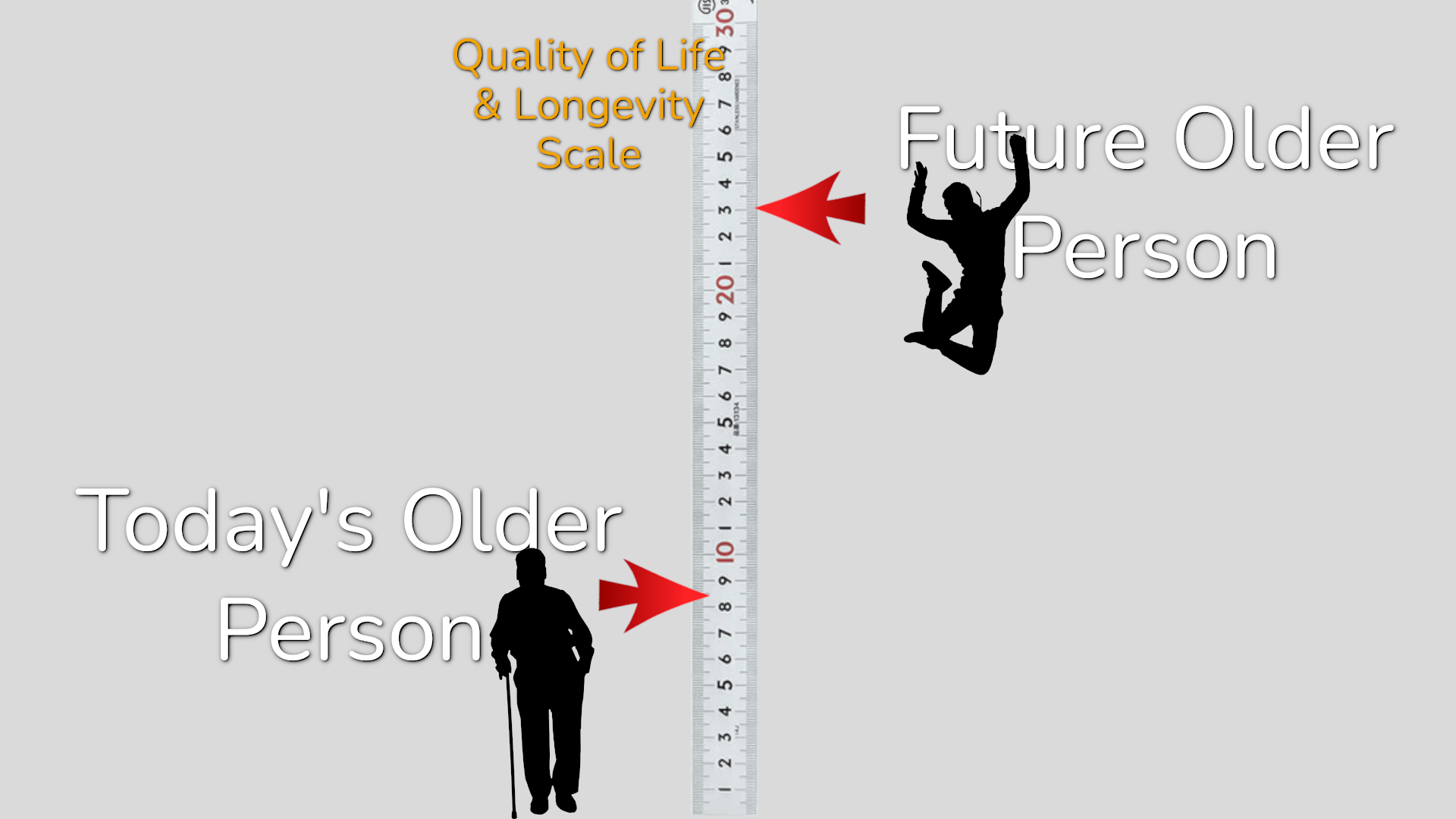
As we age, it is important to stay active and maintain mobility to improve overall health and quality of life.
Regular exercise can help prevent chronic illnesses, maintain strength and flexibility, and reduce the risk of falls.
While some may feel intimidated by the prospect of starting a new exercise routine later in life, there are many easy exercises that can be done to promote mobility and keep the body healthy.
One type of exercise that is particularly beneficial for seniors is low-impact aerobic exercise.
Low-impact exercises are gentle on the joints and can improve cardiovascular health, endurance, and overall fitness.
Examples of low-impact exercises include walking, swimming, cycling, and dancing. These activities can be done at a comfortable pace and modified to meet individual needs and abilities.
Getting Stronger is Important:
Another important component of maintaining mobility as we age is strength training.
Strength training can help maintain muscle mass, bone density, and balance, all of which are important factors in preventing falls and maintaining mobility.
Resistance bands and light weights can be used to perform exercises such as bicep curls, leg extensions, and squats.
Bodyweight exercises, such as push-ups and lunges, can also be effective in building strength.
In addition to aerobic and strength exercises, stretching and flexibility exercises are important for maintaining mobility.
Staying Flexible is crucial for strength:
As we age, our muscles and joints become less flexible, which can lead to stiffness and limited range of motion. Stretching exercises, such as toe touches and shoulder rolls, can help improve flexibility and reduce stiffness.
Note that by "stretching" we mean, in reality, that we are stretching a set of muscles.
Now, while we may think that flexibility is only so that we can bend and reach, an often-unknown fact is that by stretching any muscle to the limit, that muscle gets stimulated to get stronger, and grow in size as well. Bigger muscles, of course, are stronger muscles, generally speaking.
Yoga and tai chi are other exercise systems for improving flexibility and balance, as they involve slow, deliberate movements and poses that promote relaxation and mindfulness.
Get yourself checked before commencing any form of exercise:
It is important to note that before starting any new exercise routine to consult with a healthcare professional to ensure that the exercises are safe and appropriate for individual needs and abilities. A healthcare professional can also help develop a personalized exercise plan and provide guidance on proper technique and form.
Othere factors for mobility and health:
In addition to regular exercise, there are other lifestyle factors that can promote mobility and overall health.
Nutrition: Eating a balanced diet that is rich in fruits, vegetables, whole grains, and lean proteins can provide the nutrients needed to support a healthy body. Staying hydrated by drinking plenty of water and avoiding sugary drinks can also help maintain overall health.
Sleep: Getting enough sleep is another important factor in maintaining mobility and overall health. Adequate sleep can help reduce inflammation, improve cognitive function, and promote healing and recovery. It is recommended that adults aim for 7-8 hours of sleep each night.
Connection: Finally, staying socially connected can also promote mobility and overall health. Social isolation and loneliness can lead to depression, anxiety, and cognitive decline, all of which can affect mobility and quality of life. Participating in social activities, volunteering, and staying connected with friends and family can help promote social connections and improve overall well-being.
In conclusion, maintaining mobility as we age is important for overall health and quality of life.
Regular exercise, including low-impact aerobic exercise, strength training, and stretching, can help maintain muscle mass, bone density, and balance. In addition to exercise, other lifestyle factors, such as a balanced diet, adequate sleep, and social connections, can also promote mobility and overall health.
It is important to consult with a healthcare professional before starting any new exercise routine to ensure that the exercises are safe and appropriate for individual needs and abilities.
By incorporating regular exercise and healthy lifestyle habits into our daily routines, we can maintain mobility and enjoy a healthy, active lifestyle well into our golden years.
But wait, there's more...
but only if you want more out of your life.
Take control of the way (and direction) in which you are ageing/aging:
The above is what I would call, a reactive way of living into your older years:
You find an issue, and you work to fix it. (BTW, congratulations! Even the fact that you are working to fix the issue, puts you into the top 10% of your age-group. Most people ignore issues around ageing, knocking them off as "part of the getting older" or hoping they will go away magically...)
But in the section below, I am going to talk about proactive ageing: Ageing via Intelligent Design.
So what is this: "Ageing via Intelligent Design?"
It's the scientific way to Age, where we (viz. you) design what we want, and then take action to make that happen.
How does this happen?
Well, we look at the problems of ageing first, analyse the root causes, and then address the reasons for those causes.
Thus, we(you) are designing the way we age. Intelligently using our discovered knowledge and our ability to take action.
Of course, the above logic works on the basis that there are ways to fix the problems of ageing/aging. (And there are ways: scientific research provides us the solutions to many still-existing issues that older people permit themselves to be -unknowingly- subject to.)
Let's look at some of the most visible ageing issues we currently see around us:
1. Physical weakness and disability.
2. Circulatory-System based problems: Cardiovascular (heart) problems, type 2 diabetes, liver disease, etc.
3: Other health issues like cancers, dementia, etc.
1. Physical weakness and disability.
In my way of reasoning, physical weakness and disability causes some of the major problems to our quality of life.
Once we lose muscular strength and have to start relying on assistive props like a stick or a wheeled frame to help us move around, we know that "our time has come", that we've lost our ability to be independent and free, and that our Quality of Life is going to be limited henceforth.
To prevent that kind of thing happening to us is really simple (and at the same time, not so simple):
Adopt a lifestyle of strength-training 4-5 days a week.
The weight training will help your muscles grow stronger and more responsive to your demands. Increased muscle mass will also help your bones to be stronger, preventing you from getting Osteoporosis, and more resistant to the fallout of a bang or falls.
Becoming physically strong is a big spectrum, and I recommend that everyone over the age of 50 start becoming aware of the below diagram. Capability is the spread between the red-line section to the green section.

Unfortunately, most of the older demographic (most of your-age friends) are more towards the red-line side of the diagram, where less fun is to be had in the older years. In fact, as you go across that "Disability Threshold", you lose the ability to be independent, and your physical capability goes right down the toilet.
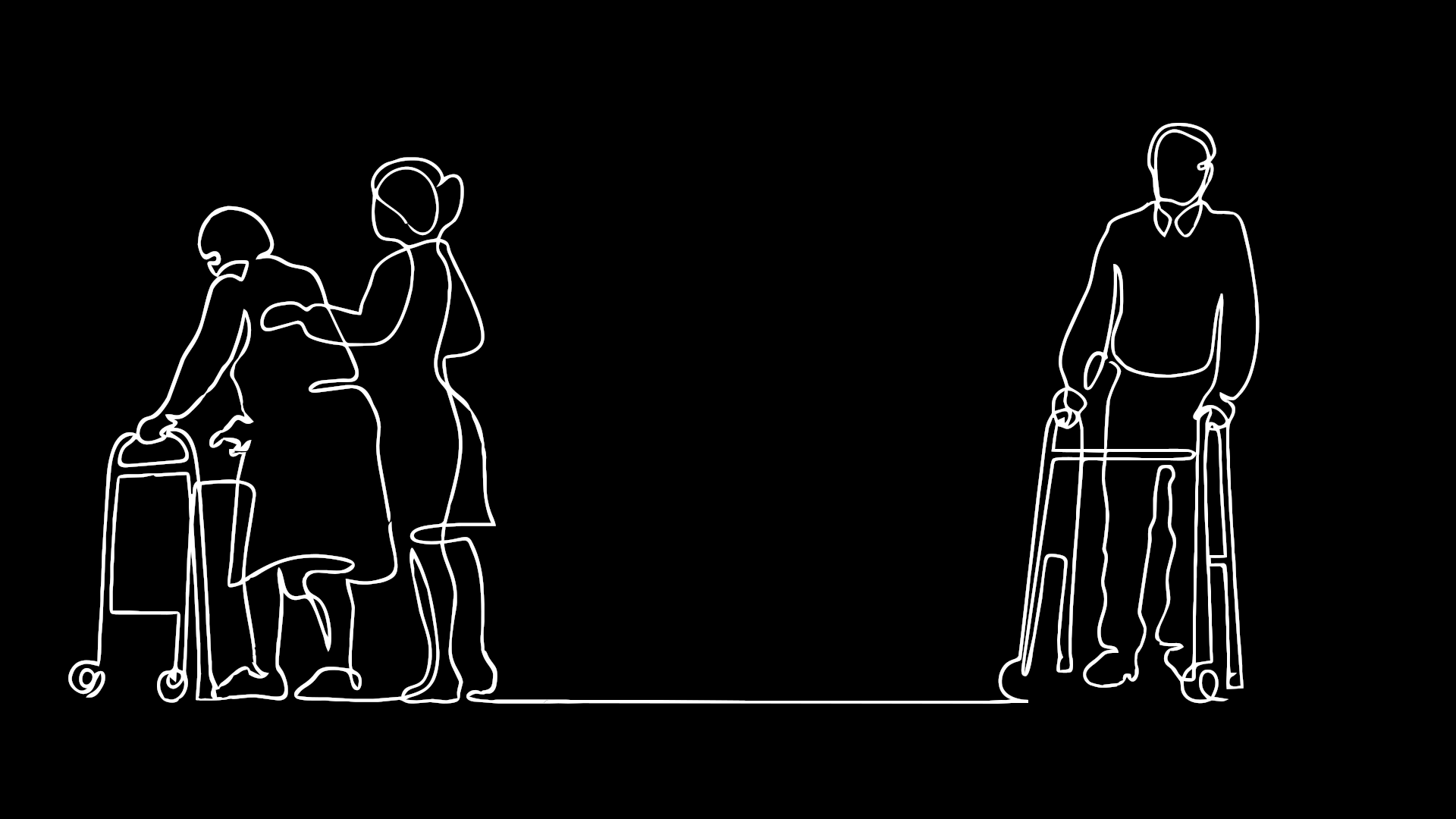
I recommend that you start lifting yourself to the green side, where more fun is to be had.
Now, knowing that this is in store for us, we'd have thought it would be a simple thing to move forward, but it does need us to flip most of our mindsets to a pretty-much 180-degree turnaround.
This change is not easy for most of us. And that's why you (granted, most of us) need help to make the leap.

The "Ageing via Intelligent Design System" helps you make that change.
A life-changing transformation.
Do it.
You'll thank your lucky stars in the future.
2. Circulatory-System based problems:
Many of our circulatory system problems (like cardiovascular disease, type 2 diabetes, and even, liver disease, are the result of our Nutrition.
One of the best and shortest cuts to cleaning up your circulatory system issues is reducing our consumption of refined carbohydrates: pastas, polished rices, refined wheat products, fruit juices and sweetened drinks, cakes/biscuits/desserts, sugars, etc.
This is easier said than done. We are highly addicted to our sugars and carb-laden diets, drilled into us by a lifetime of marketing.
